The contradiction of science and religion
in the life and works of Lewis Carroll
PhD Thesis by Darien Graham-Smith
University of Wales, Bangor, 2005
Summary
This work presents a theory that Lewis Carroll’s life and works were profoundly affected by a conflict between his logical world view and his religious beliefs. Three examinations are presented – the first of convention and logic in Carroll’s life, the second of the nature of his religion and the third of his response to contemporary science. The thesis concludes that Victorian science brought Carroll’s beliefs into contradiction, causing him to experience religious and existential doubts. It is suggested that an understanding of these doubts can inform an understanding of Carroll’s relationships with Alice Liddell and other young girls, and indeed has repercussions for his entire life and works beyond the scope of this thesis.
Two brief appendices expand upon issues mentioned in the text: the first considers the artefacts at Ripon Cathedral which are supposed by some to have influenced Carroll; and the second discusses Effie’s Dream-Garden, a children’s book which bears some resemblance to the Alice story but which was published several years before that story was first told.
Contents
3 Summary
4 Contents
7 Acknowledgements
8 Author’s Declarations
9 Definitions
10 Chapter 1: Introduction
23 Chapter 2: Convention
46 Chapter 3: Religion
64 Chapter 4: Science
88 Chapter 5: Darwin and the Dodo
114 Chapter 6: Dreams and Doubts
135 Chapter 7: Conclusion
139 Appendix A: Ripon Cathedral
142 Appendix B: Effie’s Dream Garden
147 Works cited
Amazon (Kindle): B010Y2T5GS
If you want to use Darien Graham-Smith’ (Threads|Bluesky) thesis for your own research, I recommend to discuss it with the author and with Simon Davison, the maker of the British 2023 Snark film (FB|Instagram).
2024-06-02, update: 2026-08-13
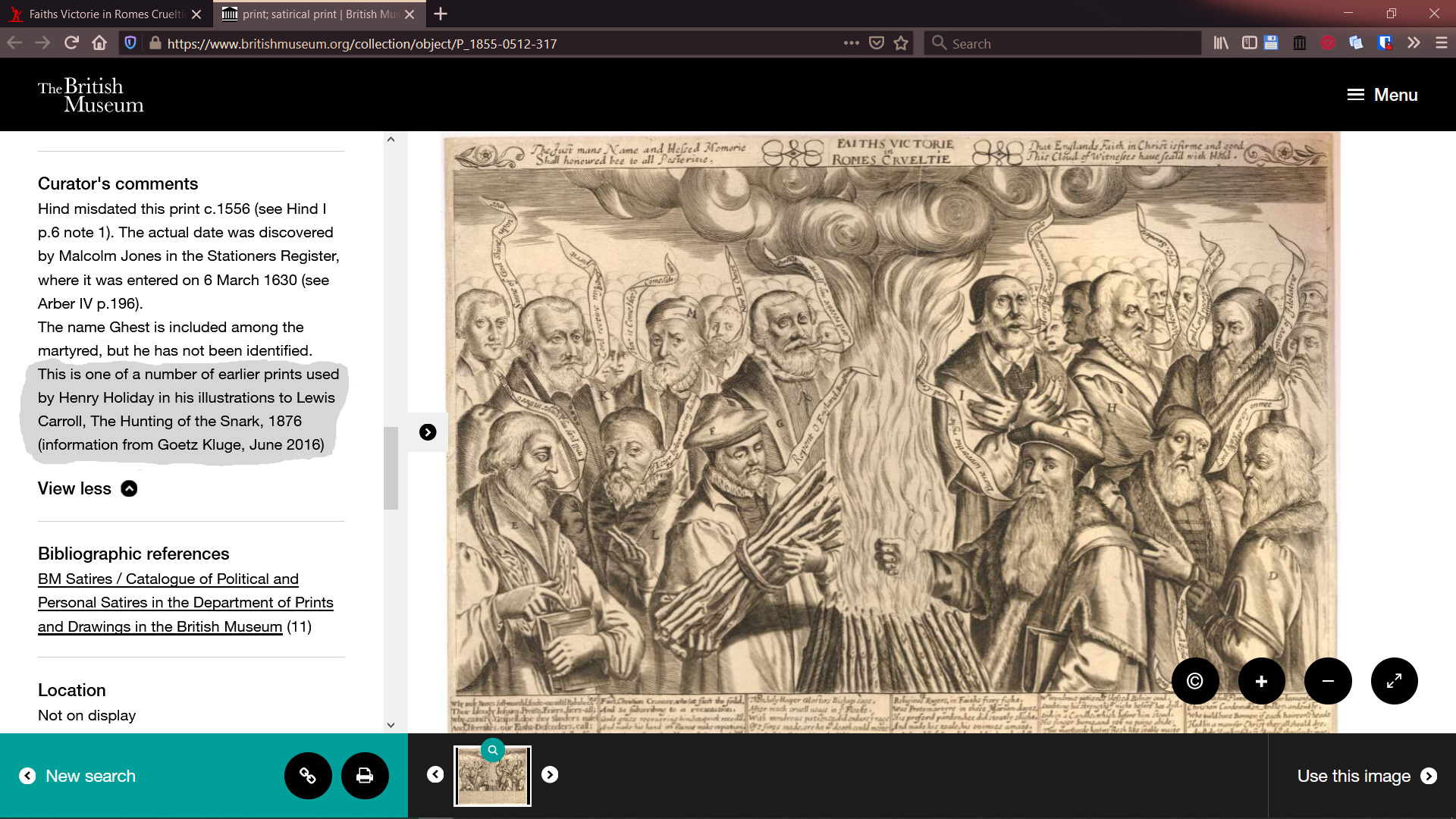
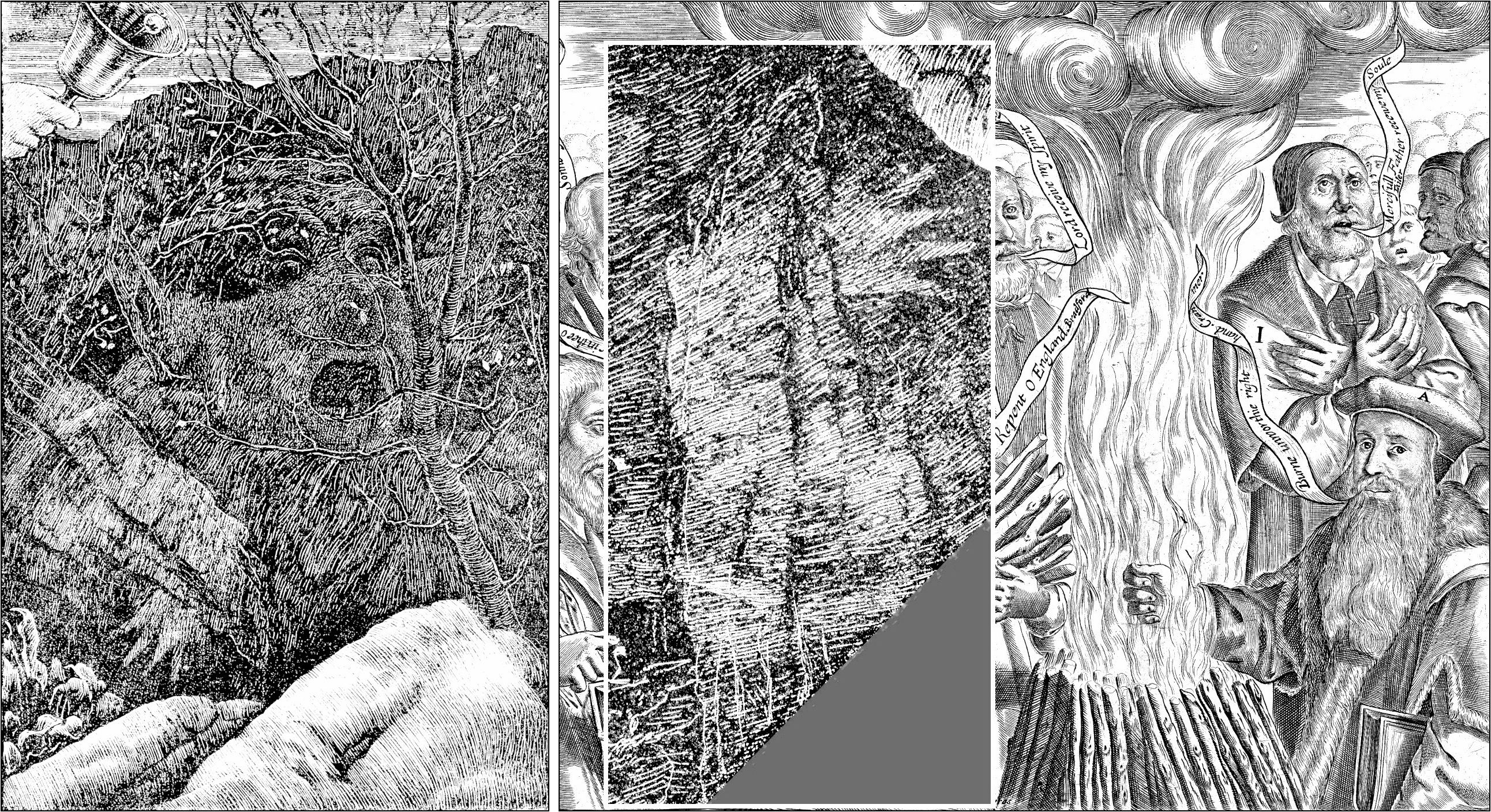
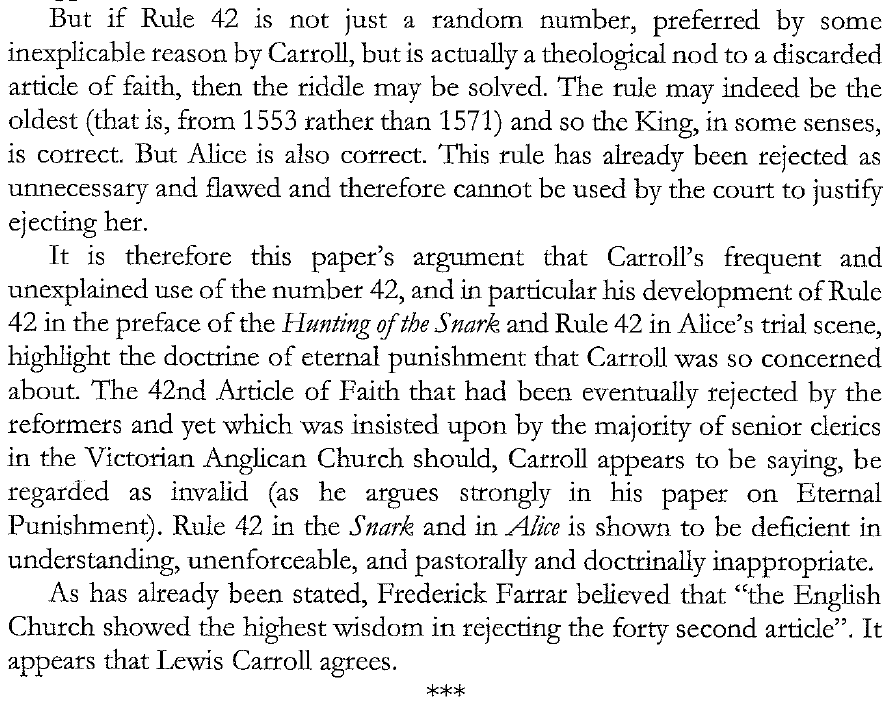


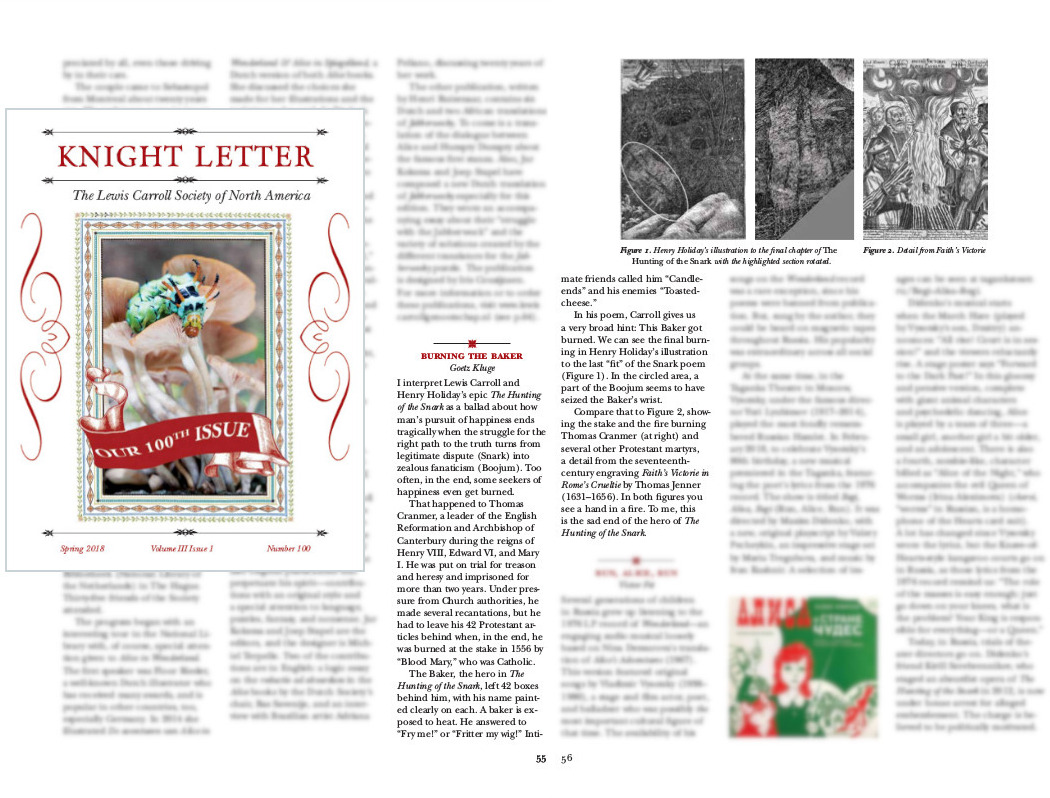
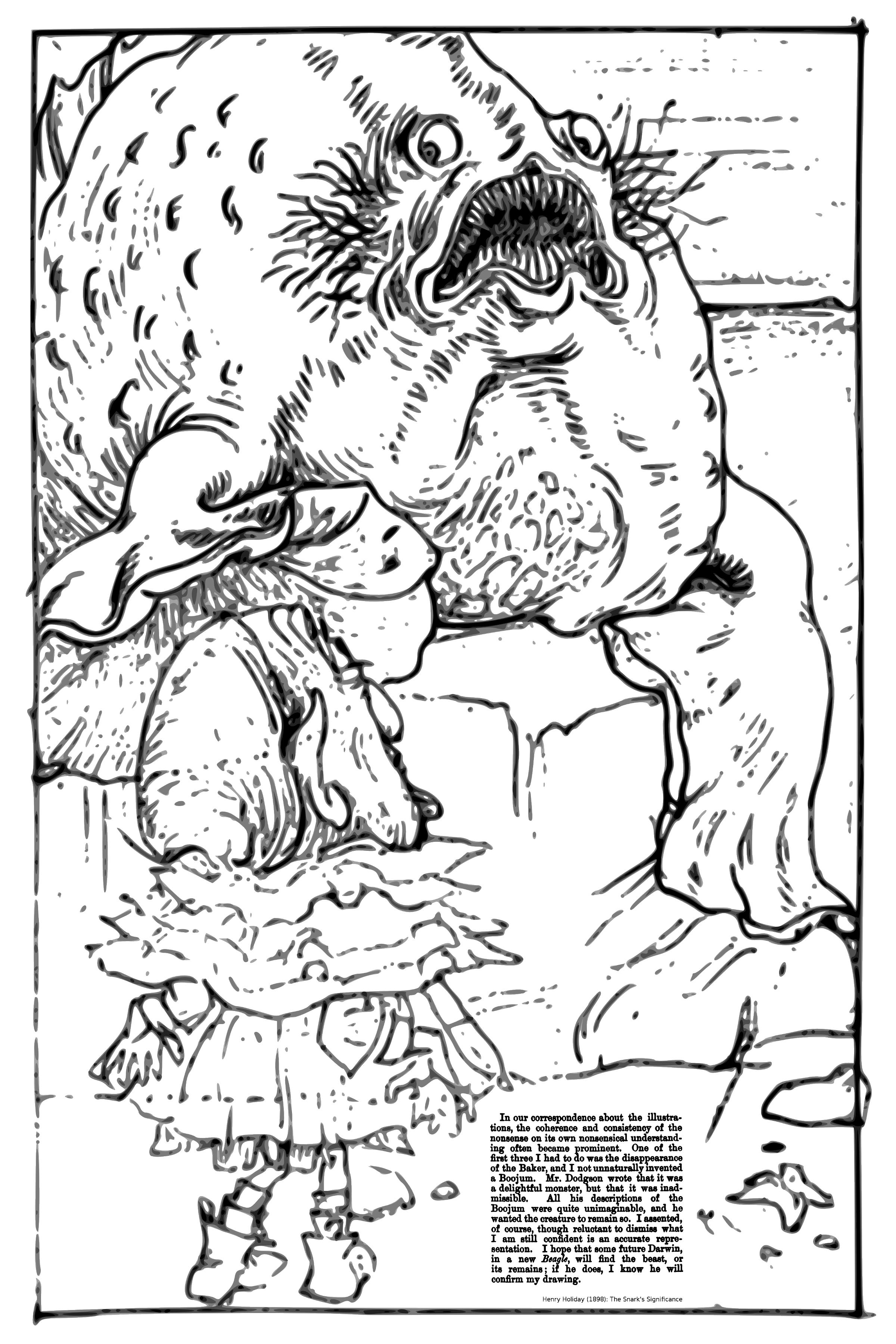
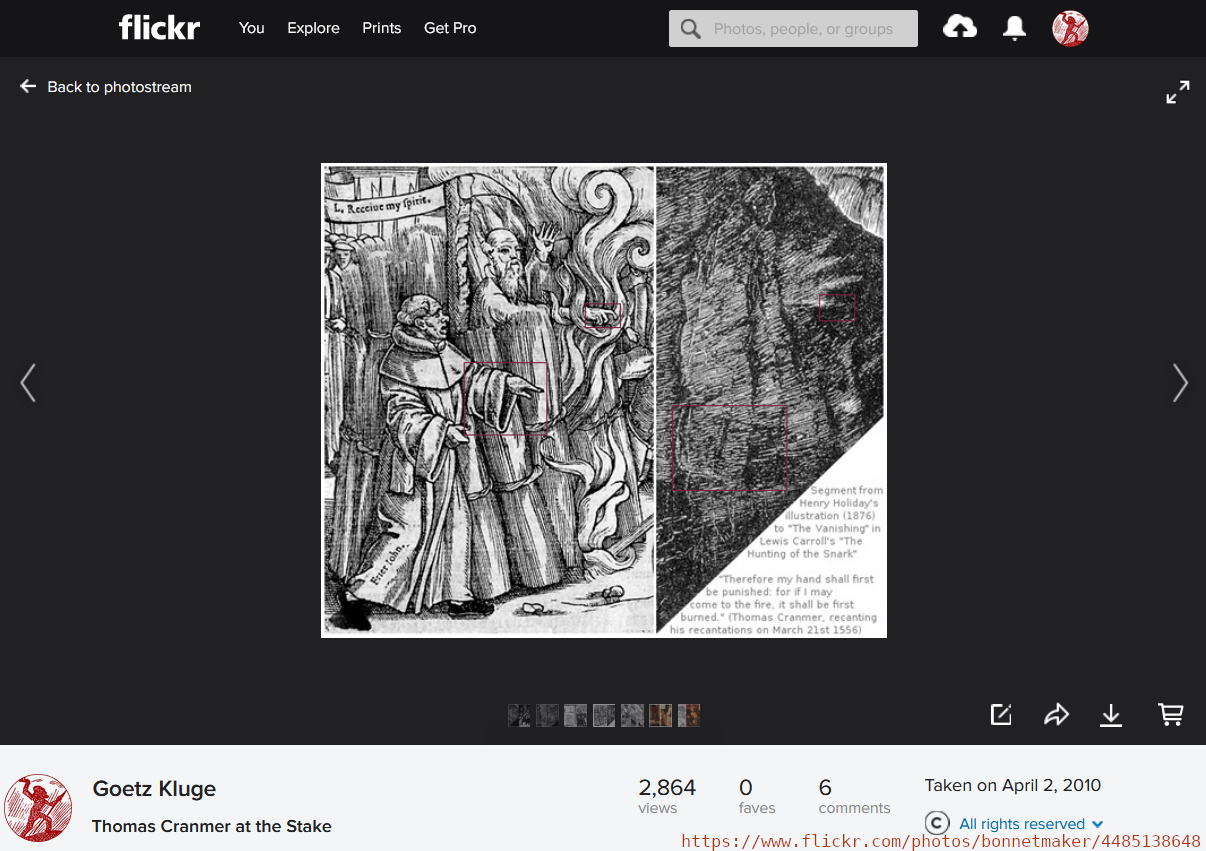
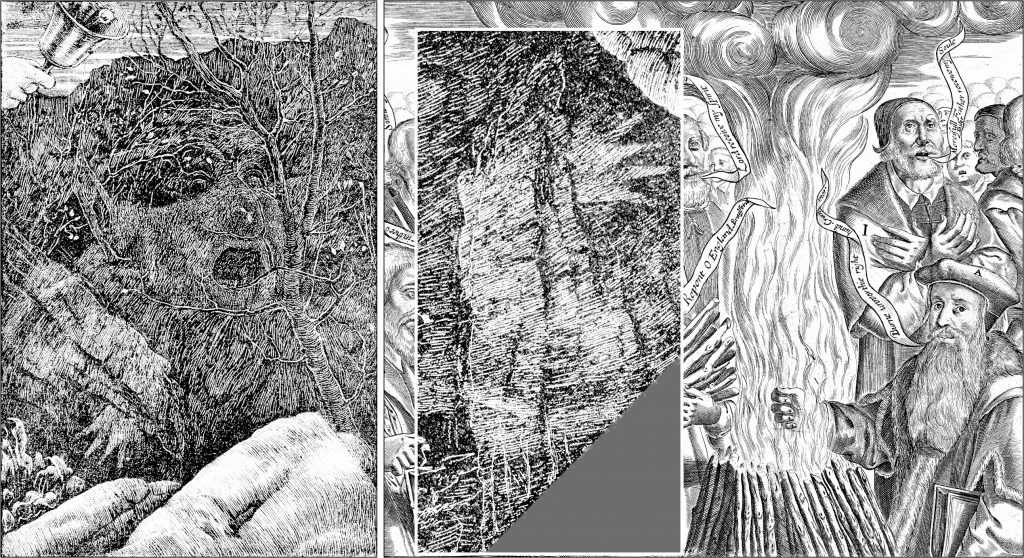 In the end, the Baker met the Boojum. As an allusion to Thomas Cranmer, the hero in Carroll’s Snark tragicomedy had been named “Baker” and also got some