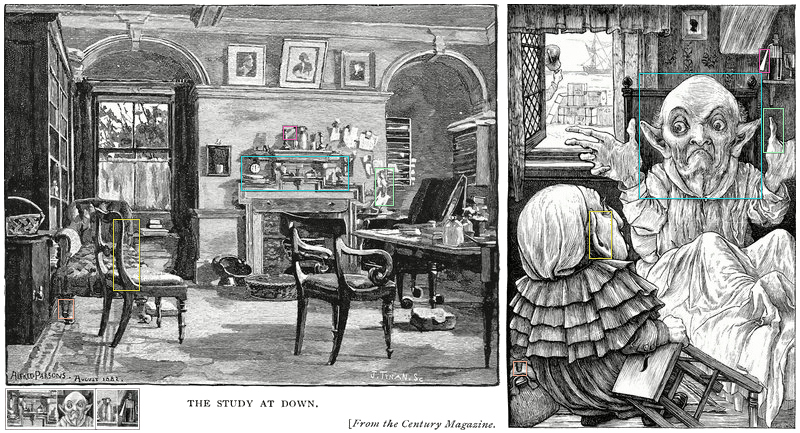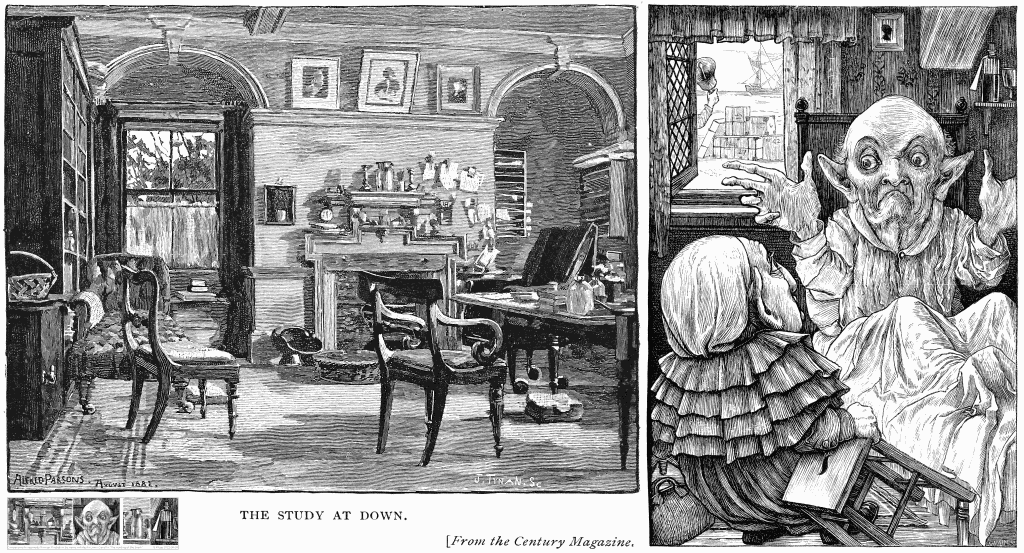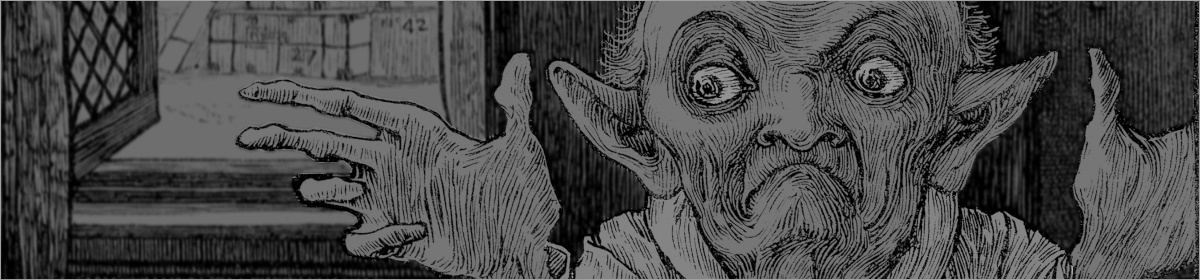
All men shall not be saved at the length. They also are worthy of condemnation, who endeavour at this time in restore the dangerous opinion that all men, by they never so ungodly, shall at length be saved, when they have suffered pains for their sins a certain time appointed by God’s justice.
Article 42 on eternal damnation in Thomas Cranmer’s Forty-Two Articles (1552)
No one shall speak to the Man at the Helm, and the Man at the Helm shall speak to no one.
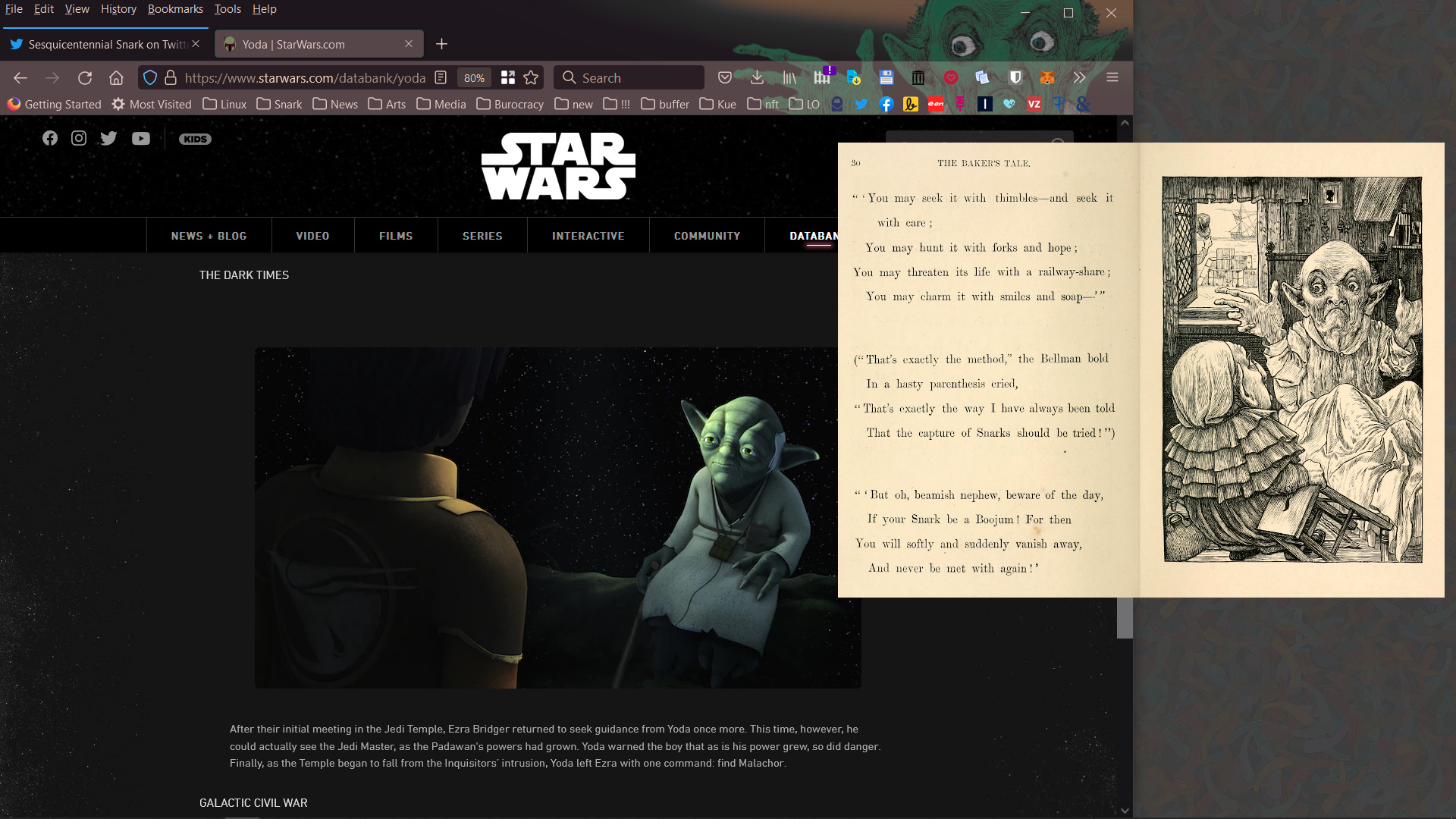
Rule 42 (possibly mocking Cranmer’s Article 42), with the second part of the sentence having been “completed” by the Bellman in Lewis Carroll’s The Hunting of the Snark (1876)
Pope Francis said eternal damnation is not a torture chamber but distance from God.
Vatican Radio, 2016-11-25 (archive)
If something like eternal damnation would exist, then that also would be an eternal disconnect (Rule 42) between the Abrahamic god and those who adhere to that god. Thomas Cranmer’s Article 42 didn’t make it into the Elizabethan 39 Articles, but the debate about eternal damnation seems to be eternal itself.
What are those Forty-Two Articles?
From Wikipedia, the free encyclopedia:
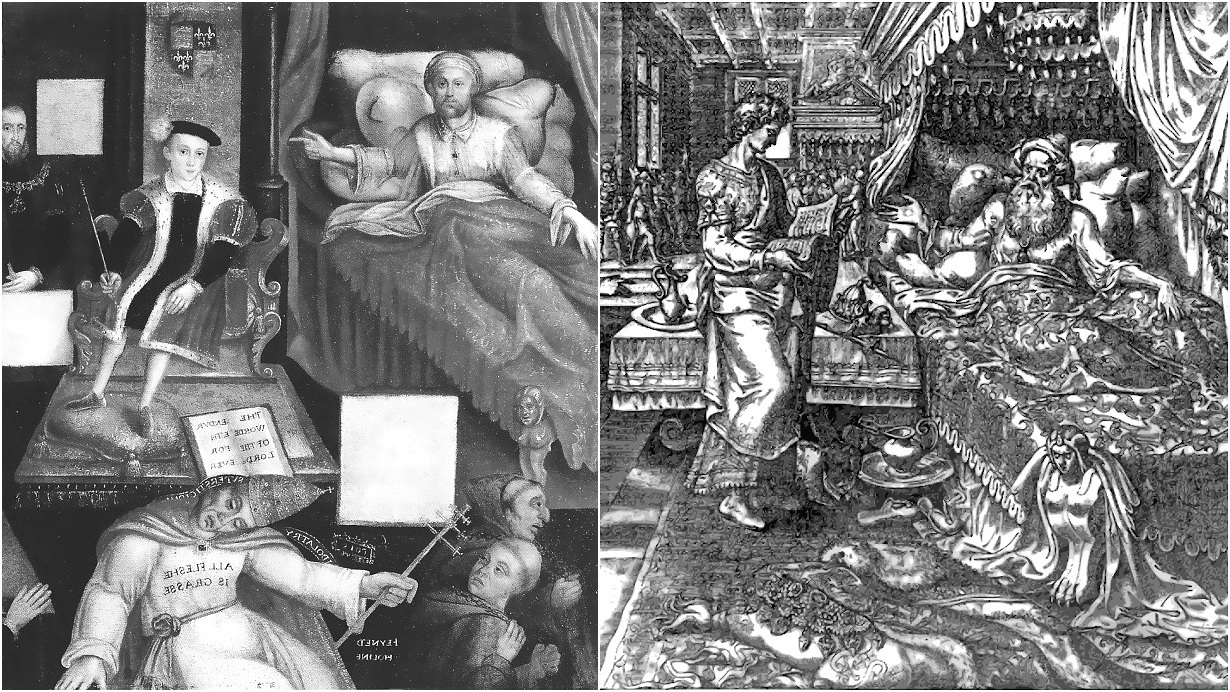
The Forty-two Articles were the official doctrinal statement of the Church of England for a brief period in 1553. Written by Archbishop Thomas Cranmer and published by King Edward VI’s privy council along with a requirement for clergy to subscribe to it, it represented the height of official church reformation prior to the reign of Queen Elizabeth I. It staked out a position among Protestant movements of the day, opposing Anabaptist claims and disagreeing with Zwinglian positions without taking an explicitly Calvinist or Lutheran approach. […]
Eternal damnation still was a controversial issue in the era of the Oxford Movement.
ON APPEAL FROM THE ARCHES COURT OF CANTERBURY.
[…] An Article setting forth extracts of a review of a work that a Clergyman of the Church of England had reviewed, charging that he had therein advisedly declared, that after this life there would be no judgment of God, awarding either eternal happiness or eternal misery, contrary to the Three Creeds, the Absolution, the Catechism, and the Burial and Commination Service: Held not established by the passages of the work pleaded. It is not penal for a Clergyman to express a hope of the ultimate pardon of the wicked [2 Moo. P.C. (N.S.) 432, 433]. […]
Source: 15 E.R. (Essays and Reviews) 943; Date: 1863-06-26; Court: Privy Court; Appellant: Rev. Rowland Williams, D.D.; Respondent: Rev. Walter Kerr Hamilton, Lord Bishop of Salisbury; Appellant: Rev. Henry Bristow Wilson, Clerk; Respondent: Rev. James Fendall, Clerk
The Deacon C. L. Dodgson (aka Lewis Carroll) objected to the belief in eternal punishment in 1897, but his article on Eternal Punishment was not published during his lifetime. In that article, one of Dodgson’s points is that “αἰών” should be translated as “of indefinite duration”, not as “eternal”. (See p. 52 in Robert D. Sutherland’s Language and Lewis Carroll, 1970.) The controversy on eternal punishment seems not to have ended yet.
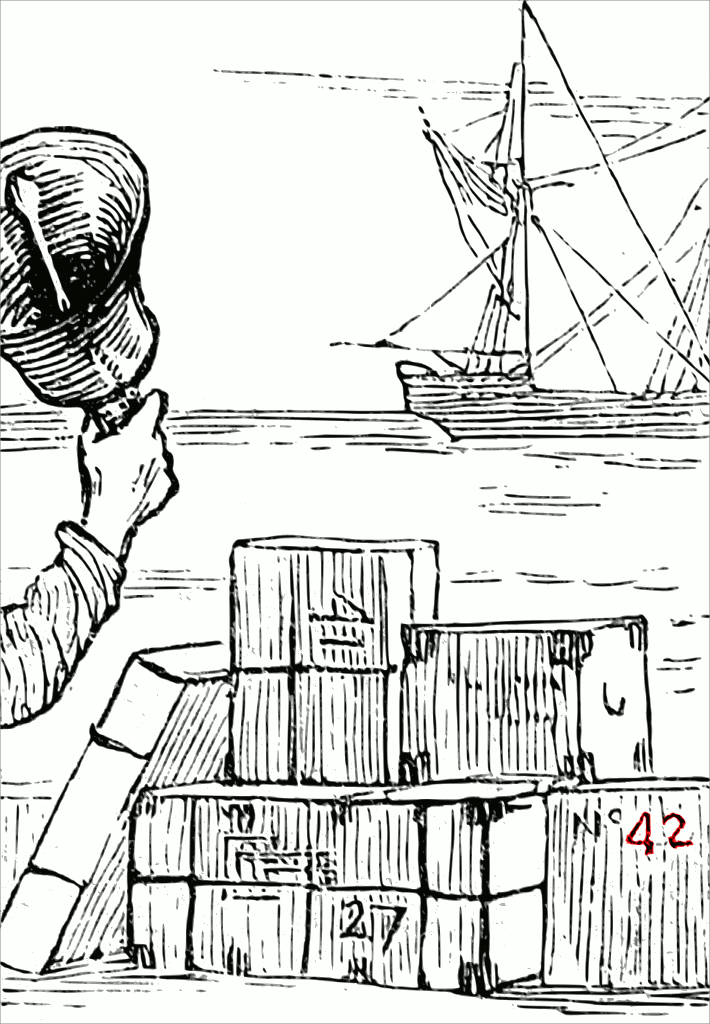 I assume, that Carroll’s “forty-two” serves as a reference to Thomas Cranmer’s Forty-Two Articles. And Revd. Karen Gardiner suggested in The Carrollian (July 2018, № 31, p.25~41), that this is a reference mainly to Article 42 (about eternal damnation) in Cranmer’s Forty-Two Articles.
The main argument of Gardiner’s June 2018 paper is “that Carroll’s frequent and unexplained use of the number 42, and in particular his development of Rule 42 in the preface of The Hunting of the Snark and Rule 42 in Alice’s trial scene highlight the doctrine of eternal punishment that Carroll was so concerned about.”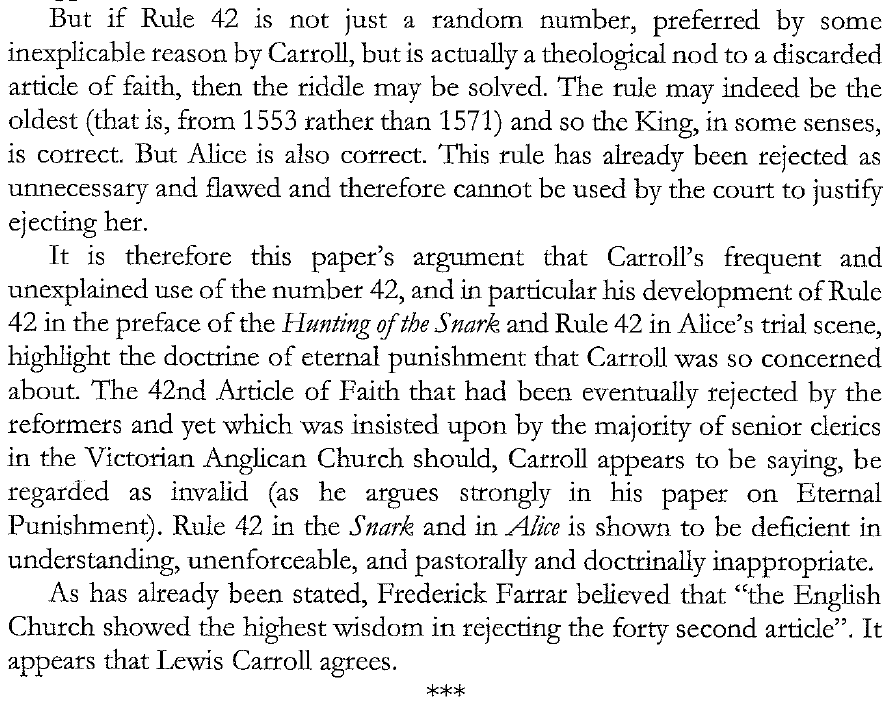
Today, “42” mostly is known as an answer to an unknown question. That answer had been revealed in a popular travel guide and invented by Douglas Adams as an answer to that unknown question. Of course neither Lewis Carroll nor Douglas Adams would have provided us with spoilers which could help us to understand their “42”. Holding your readers responsible for their interpretations is much more fun to writers like Adams and Carroll. Therefore Adams told us that the “42” just popped up in his mind out of the air when he enjoyed the view of his garden. And Carroll told us that the last line “For the Snark was a Boojum, you see!” in The Hunting of the Snark popped up in his mind during a walk near Guilford (incidentally the birthplace of Ford Prefect, and then again not his real birthplace).
Lewis Carroll’s Snark and Douglas Adams’ Guide (the BBC radio series) have more in common than just having fits instead of chapters (sections of a poem). But among both authors, it probably was only the Deacon Dodgson to whom “42” had a special relevance in the history of the church, that vessel which had been snarked so many times.
- Carroll and Religion
- Lewis Carroll, Eternal Damnation, in The Lewis Carroll Picture Book (1899, edited by Stuart Dodgson Collingwood), p. 345-355
- Lewis Carroll on Eternal Punishment, posted by “Nick”, 2008
- John Tufail, The Jowett Controversy – Understanding Carroll’s Philosophy, 2010
- John Tufail, The Philosopy of Lewis Carroll, before 2008?
- User “pog” in The Evangelical Universalist Forum: List of those of who reject traditional hellism, 2013
- About articles in the Knight Letter № 100 (by Goetz Kluge, LCSNA 2018) and The Carrollian (by Revd. Karen Gardiner, July 2018, № 31, p.25~41)
- Article 42 in the 42 Articles
2017-12-25, updated: 2026-05-13
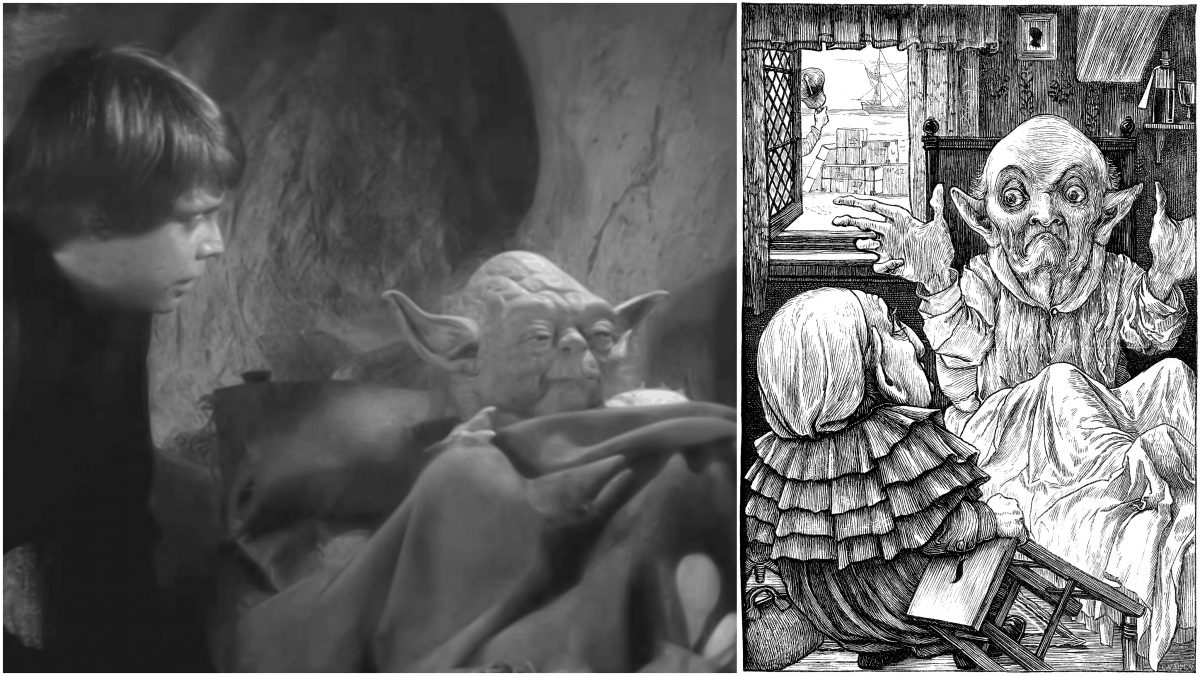




 Left image